
Disregard Everything I Say
Month
Dosage (oral):
Threshold : 60mg
Light : 100 - 150mg
Common : 150 - 250mg
Strong : 200 - 300mg
Duration (oral):
Total : 3 - 5 hours
Onset : 20 - 60 minutes
Peak : 60 - 90 minutes
Offset : 60 - 120 minutes
After effects : 1 - 6 hours
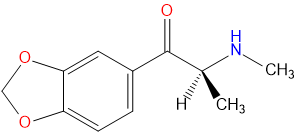
Methylone (also known as M1, 3,4-methylenedioxy-N-methylcathinone, MDMC and bk-MDMA) is an entactogen and stimulant of the phenethylamine, amphetamine and cathinone classes. It was first synthesized by chemists Peyton Jacob III and Alexander Shulgin in 1996 for potential use as an antidepressant.
This compound is often used as a substitute for MDMA due to its similar range of subjective effects. However, in spite of behavioral and pharmacological similarities between methylone and MDMA, the observed subjective effects of both drugs are not completely identical. Alexander Shulgin wrote of the former:
“Methylone has almost the same potency of MDMA, but it does not produce the same effects. It has an almost antidepressant action, pleasant and positive, but not the unique magic of MDMA.”
“Methylone” is also a trademarked brand name for an injectable form of methylprednisolone, a corticosteroid hormone used to treat arthritis and severe allergic reactions; hence, methylone may be confused with it.
In terms of its chemistry, 3,4-methylenedioxy-N-methylamphetamine is part of the phenethylamine, cathinone and amphetamine families. There is a methylenedioxy ring attached to carbons R3 and R4, as well as methyl chains at Rα and RN. Methylone is a close structural analog of MDMA, differing by the addition of a β-ketone group attached to the beta position of the amine chain.
In terms of its pharmacology, methylone acts as a mixed reuptake inhibitor/releasing agent of serotonin, norepinephrine, and dopamine. These are the neurotransmitters in charge of pleasure, motivation and focus. This is done by inhibiting the reuptake and reabsorption of the neurotransmitters after they have performed their function of transmitting a neural impulse, essentially allowing them to accumulate and be reused, causing physically stimulating and euphoric effects.
In comparison to MDMA, it has approximately 3x lower affinity for the serotonin transporter, while its affinity for the norepinephrine and dopamine transporters is similar. Notably, methylone’s affinity for the vesicular monoamine transporter 2 (VMAT2) is about 13x lower than that of MDMA. The results of these differences in pharmacology relative to MDMA are that methylone is less potent in terms of dose, has more balanced catecholaminergic effects relative to serotonergic, and behaves more like a reuptake inhibitor like methylphenidate than a releaser like amphetamine; however, methylone still has relatively robust releasing capabilities.
The effects listed below are based upon the subjective effects index and personal experiences of PsychonautWiki contributors. The listed effects will rarely if ever occur all at once but heavier dosages will increase the chances and are more likely to induce a full range of effects.
Physical effects:
The physical effects of methylone can be broken down into seven components all of which progressively intensify proportional to dosage. These are described below and generally include:
Cognitive effects:
The cognitive effects of methylone can be broken down into six components all of which progressively intensify proportional to dosage. The general head space of methylone is described by many as one of extreme mental stimulation, feelings of love or empathy and powerful euphoria. It contains a large number of typical psychedelic, entactogenic and stimulant cognitive effects.
The most prominent of these cognitive effects generally include:
Physical Health Effects, Potential Addiction and Tolerance:
The toxicity and long term health effects of recreational methylone use does not seem to have been studied in any scientific context and the exact toxic dosage is unknown. This is because methylone is a research chemical with very little history of human usage. Anecdotal evidence from people within the psychonaut community who have tried methylone suggests that there are no negative health effects attributed to simply trying this drug at low to moderate doses or using it very sparingly (but nothing can be completely guaranteed).
Tolerance develops rapidly with repeated usage, so periods of extended use require increasing doses of the drug in order to achieve the same effect. Addiction is a serious risk with heavy recreational use of any stimulant where compulsive redosing is common.
Legal Issues:
Conclusion:
In conclusion, although bk-MDMA is similar to MDMA in high doses, its euphoria is directed inwards rather than forcing the user to project their empathy and love onto others. The dosage is much higher than MDMA in comparison, and it’s a more complex experience due to its different receptor efficacies; there is not simply serotonin happiness, but dirty stimulation too. This substance breakdown was written through collaboration between PsychonautWiki contributors Pjosepherum, Josikins and Oscarette. The full article, including references, is available here.