
"Transcending this mortal plane through the power of hallucinogen induced nerd rage; Tripping balls in the name of science, for the good of the cosmos."
MY SOURCES ARE:
Personal experience and the internet alongside of my own speculation, analyses and conclusions. For all you know I could be lying, so please do some independent research and do not say that I didn't warn you.
PLEASE DISREGARD:
Absolutely everything I say; all pieces of writing and information found within this blog should be considered lies and a work of fiction. Do not ever use anything I've ever said here for anything, ever.
I have, after all, made it very clear that my writings are to be disregarded, as in reality I may well have no idea what I am talking about and do not have any formal qualifications on the subject.
Please point out as many flaws in my reasoning, claims, factual information and grammar as possible.
I love all of you. Thank you for reading.



MXP, broken down and described
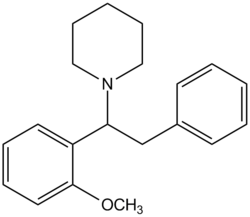
Dosage
Threshold : 0 - 50 mg
Light : 50 - 100 mg
Common : 100 - 150 mg
Strong : 150 - 200 mg
Heavy : 200 mg+
Duration
Total duration : 6 - 8 hrs
Methoxphenidine (MXP) or 1-[1-(2-methoxyphenyl)-2-phenylethyl]piperidine is a hallucinogenic dissociative compound of the piperdine chemical class. It has similar effects to that of the arylcyclohexylamine and morphinan classes of dissociatives.
It induces a state referred to as “dissociative anesthesia” and is used as a recreational drug. Very little is known about this substance but it has recently become freely available through online research chemical vendors where it is being sold as a designer drug and marketed as a replacement for MXE despite many users reporting it as qualitatively different in its effects and closer to that of DXM. It has yet to be studied within humans in any formal context.
In terms of its chemistry, MXP is classed as a piperdine drug. The piperdine molecule in MXP is attached to a benzene group via two carbon atoms on one side and a methoxybenzene molecule attached to one carbon on the other side. It is usually produced in its freebase form, which is insoluble in water. When consumed orally, the molecule is converted to the hydrochloride salt in the stomach. The HCl salt is reported to raise blood pressure, and peak effects are felt around 2 hours in, whereas the citrate salt has been observed to peak at around 30 minutes with less blood pressure concern. This is the same principal as DXM which is more potent in its citrate salt.
As for its pharmacology, MXP has antagonistic action on NMDA receptors, which leads to anaesthetic and dissociative effects. Although it has not been formally studied, the feelings of physical and emotional euphoria which many users report suggests that it may also have action as a dopamine reuptake inhibitor.
The MXP experience contains a complex and wide array of effects which based on the predefined potential subjective effects index found here, I will now begin to breakdown and describe.
Physical effects:
The subjective physical effects of MXP are most similar to that of DXM than any other commonly used dissociative. They can be broken down into seven components all of which progressively intensify proportional to dosage. These are described below and generally include:
- Disconnection from tactile input - this results in typical states of progressive physical disconnection but is far more consciously controllable than that of other dissociatives. This allows one to choose how much of their body they are currently aware of and connected to simply by directing their focus towards it even throughout higher states of disconnection and out of body experiences.
- Spontaneous tactile sensations - the MXP body high is a soft, pleasurable vibrating sensation. It can be felt all over the body and progressively intensifies throughout the onset before dissipating once the peak has been reached.
- Suppression of touch - this partially to entirely suppresses one’s own sense of touch, creating feelings of numbness within the extremities. It is responsible for the anaesthetic properties of this substance.
- Physical autonomy
- Loss of motor control - a loss of gross and fine motor control alongside of balance and coordination is prevalent within MXP and becomes especially strong at higher dosages. This means that one should be sitting down before the onset unless they are experienced in case of falling over and injuring oneself.
- Euphoria - this results in feelings of physical euphoria which range between mild pleasure to powerful all encompassing bliss.
- Decreased bodily weight - this creates the sensation that the body is floating and has become entirely weightless. This effect is strangely stimulating and encourages physical activities at low - moderate dosages by making the body feel light and effortless to move.
- Dizziness
Cognitive effects:
The head space of MXP is often described as particularly clear headed even at heavy dosages. It is far more controllable, less disorientating and confusing at dosages of equal subjective intensity to that of MXE, DXM and Ketamine. The cognitive effects of MXP can be broken down into 6 separate subcomponents which are listed and described below:
- Disconnection from consciousness
- Acceleration of thought
- Ego suppression, loss and death
- Time distortion - feelings of time dilation and more time having passed than it actually has are common at moderate to strong dosages.
- Euphoria
- Conceptual thinking
Visual effects:
The visual effects of MXP are unique in comparison to other dissociatives as they do not include open eye visual suppression, geometry or distortions but still remain very powerful at appropriate dosages. The present effects progressively intensify according to dosage and commonly include:
- Disconnection from visual input - this eventually results in the MXP’s equivalent of the famous “K-hole” or more specifically, holes, spaces and voids alongside of level 1 - 4 structures. In comparison to other substances, this effect is unique however as it is far more consciously controllable than that of other dissociatives. It allows one to choose how disconnected they currently are by simply directing their focus towards the external environment even throughout higher states of disconnection and out of body experiences.
- Internal hallucinations - these hallucinatory states can be described as dream like in nature while often containing imagery, landscapes, plots, settings, autonomous entity contact and scenarios. They are more common within dark environments and can be described as internal in their manifestation, lucid in believability, mostly unimmersive in style and extremely controllable in their content in a way which allows one to choose what they wish to see.
Auditory effects:
The auditory effects of MXP are common in their occurrence but unlike other more commonly used dissociatives, they are unlikely to suppress or distort auditory input and exhibit a small range of effects which exclusively includes:
- Enhancements
Afterglow:
The afterglow is a feeling that occurs within the 24 hours after the trip itself. It is long lasting and as equally enjoyable as the trip itself to many people. It can be be described in terms of its physical sensation as one of euphoria, rejuvenation, relaxation and a light bounciness. In terms of its mental thought processes however, it can be described as a complete loss of anxiety, feelings of contentedness and an extremely high appreciation for music which dissipates within a day or so after the experience.
Health effects, addiction potential and tolerance:
The toxicity and long term health effects of recreational MXP use does not seem to have been studied in any scientific context and the exact toxic dosage is unknown. This is because MXP is a research chemical with very little history of human usage. Anecdotal evidence from people who have tried MXP within the community suggests that there are no negative health effects attributed to simply trying this drug at low to moderate doses or using it very sparingly (but nothing can be completely guaranteed).
There is a very strong tolerance build up with MXP which results in the need to consume increasingly large doses in order to achieve the same level of effects. This should reset to baseline after 1 - 2 weeks. There may well be some addictive potential but this is still unknown.
Tolerance may be mitigated via preparing the citrate salt by mixing the chemical with citric acid or lemon juice, which will aid in absorption and increase effects.
Legal Issues:
MXP is currently a legal grey area world wide and freely available through the use of online research chemical vendors. This does not mean that you are guaranteed to be immune from legal prosecution should you be found in possession of this substance as it is likely to vary from country to country.
Conclusion:
This new dissociative is an extremely novel, capable and interesting compound. The potential negative effects are currently unknown so tread carefully and start with light dosages if you are so inclined.
This subjective effect breakdown was made in collaboration with PsychonautWiki user, PJosepherum.
Click here for a more comprehensive breakdown.
Nitrous Oxide, broken down and described

Dosage
"N/A - depends on method of consumption"
Duration
Total duration : 1 - 5 minutes
Onset : 0 - 1 minutes
Coming : Up 15 - 30 seconds
Peak : 1 - 5 minutes
Coming down : 10 minutes
After effects : 15 - 30 minutes
Nitrous oxide, commonly known as laughing gas, nitrous, nitro, NOS or hippy crack is an inorganic molecule and chemical compound with the formula N 2O. It is an oxide of nitrogen. At room temperature, it is a colourless, non-flammable gas, with a slightly sweet odour and taste. It is used in surgery and dentistry for its anaesthetic and analgesic effects. It is known as “laughing gas” due to the euphoric effects of inhaling it, a property that has led to its recreational use as an A-typical dissociative anaesthetic. It is also used as an oxidizer in rocketry and in motor racing to increase the power output of engines. At elevated temperatures, nitrous oxide is a powerful oxidizer similar to molecular oxygen.
The gas was first synthesised by English natural philosopher and chemist Joseph Priestley in 1772, who called it phlogisticated nitrous air (see phlogiston). It was first used as an anaesthetic drug in the treatment of a patient when dentist Horace Wells demonstrated insensitivity to pain from a dental extraction on 11 December 1844. Today it is used world wide by hospitals and dentists alike as a general anaesthetic. The recreational use of nitrous oxide began at “laughing gas parties”, primarily arranged for the British upper class in 1799 and has continued into modern times as the gas has become cheaper and more accessible to the masses.
The pharmacological mechanism of action of N2O in medicine is not fully known. However, it has been shown to directly modulate a broad range of receptors, and this likely plays a major role in many of its effects. It moderately blocks NMDA and β2-subunit-containing nACh channels, weakly inhibits AMPA, kainate, GABAC, and 5-HT3 receptors, and slightly potentiates GABAA and glycine receptors. It has also been shown to activate two-pore-domain K+ channels. While N2O affects quite a few ion channels, its anaesthetic, hallucinogenic, and euphoriant effects are likely caused predominantly or fully via inhibition of NMDAR-mediated currents.
The Nitrous Oxide experience contains a complex and wide array of effects which based on the predefined potential subjective effects index found here, I will now begin to breakdown and describe.
Subjective effects:
Physical effects
The physical effects of Nitrous Oxide can be broken down into eight components all of which progressively intensify proportional to dosage.
- Spontaneous tactile sensations - the nitrous oxide body high starts off as the sensation of a mixture of cold, warm, sharp and soft tingles which begin across the head and face at lower dosages but spread out across the body at higher dosages.
- Suppression of touch - this partially to entirely suppresses ones own sense of touch creating feelings of numbness within the extremities. It is responsible for the anaesthetic properties of this substance.
- Loss of motor control - a loss of gross and fine motor control along side of balance and coordination is prevalent within nitrous and becomes especially strong at higher dosages. This means that one should be sitting down before the onset unless they are experienced in case of falling over and injuring oneself.
- Euphoria - this results in feelings of physical euphoria which range between mild pleasure to powerfully all encompassing bliss. Anecdotal reports show that this sensation which is taken advantage of by recreational users during sexual activity’s and said to greatly enhance orgasm.
- Changes in felt bodily form - this usually occurs with higher dosages and can be described as feelings that in a non painful fashion your body’s physical form is being stretched into infinity, compressed into a singularity or split into two separate halves.
- Weightlessness - this creates the sensation that body is floating and has become entirely weightless. It is often accompanied by feelings of slowly falling or drifting.
- Dizziness - although uncommon some people report dizziness under the influence of nitrous.
- Head aches - although uncommon a certain subset of people report headaches during the offset of Nitrous Oxide. If this occurs one should avoid this substance in the future.
Cognitive effects:
The cognitive effects of nitrous oxide can be broken down into 4 separate subcomponents which are listed and described below.
- Laughter - this effect is extremely powerful and pronounced within nitrous oxide and can be described as sudden bouts of intense laughter and giggling. It is an effect which is especially prevalent when taken in the context of appropriate social settings.
- Euphoria - this can be described as feelings of mild to intense happiness and general positivity.
- Ego suppression, loss and death - at higher dosages, level 3 ego death is an all encompassing effect within nitrous oxide. In comparison to other hallucinogens, it is unique in style due to its rapid onset and fast comedown. This creates the experience that one’s sense of self is rapidly disintegrated and then suddenly restacked through a process of regaining one’s own long term memory. This is a remarkably identical process every time the experience is undergone.
- Deja-vu - although uncommon a certain subset of people report strong feelings of deja-vu consistently when under the influence of Nitrous Oxide.
- Amnesia - at high dosages, it is often common for one to experience amnesia and memory loss after the experience has occurred. This is especially prevalent alongside of ego death.
- States of unity and interconnectedness - during high dosage states of ego death, this component is a common but inconsistent accompanying effect. It generally occurs at level 4 - 5 and creates experiences of becoming one with the greater whole. In comparison to other hallucinogens which induce this effect, it can be described as comparatively simpler and less profound due to its more basic accompanying cognitive effects.
Visual effects:
In comparison to other dissociatives such as Ketamine or DXM, the visual effects of nitrous oxide are comparatively simplistic. They progressively intensify proportional to dosage and can be broken down into five individual components which are listed and described below.
- Decreased visual acuity - blurred vision to the point of all encompassing blindness is a completely consistent effect within nitrous oxide even at moderate dosages.
- Double vision - this component is also prevalent at moderate dosages and makes reading incapable unless one closes an eye.
- Suppression of pattern recognition - this effect generally occurs at higher dosages and makes one unable to recognize and interpret perceivable visual data.
- Geometry - nitrous oxide geometry can be described as unique in its behaviour. It usually only occurs at higher dosages and as a static wall of geometry which appears in front of one’s vision alongside of the physical sensation of becoming and merging with it. It usually manifests as consistently incidental in its form but varies in its arrangement between people. In terms of its stylistic appearance it can be described as simplistic in complexity, organic in style, unstructured in arrangement, colourful in scheme, glossy in shading, soft and blurred in its edges, large in size, still in movement, rounded in corners, immersive in depth, and often based upon complex interlocking circles.
- Hallucinatory states - in comparison to other more classical dissociatives, hallucinations are particularly rare with nitrous but possible at high dosages. They exclusively occur at high levels, are capable of manifesting as both external and internal in style, and are usually delirious in believability (but commonly only include mundane scenarios such as perceiving and talking to people who are not currently present).
Auditory effects:
The auditory effects found with nitrous oxide, although simplistic, are famously known to be particularly intense and consistent in their manifestation when compared to other hallucinogens. These effects include:
- Distortions - these distortions are very powerful and loud enough in their volume to make the original sound completely unrecognisable. They include phasers, white noise, high pitch tones and notes, flanging, changes in pitch, echo effects, and stuttering.
- Suppression - this effect can be described as a muffling and quieting of externally sourced sound which results in it sounding more indistinct and distant than it would usually be.
In combination with:
One of the most interesting application for nitrous oxide is not by itself but in combination with other hallucinogens to which it acts as a powerful and profound temporary potentiation of subjective effects.
- Psychedelics - when taken in combination with a classical psychedelic such as LSD or psilocin, the effect will be a sudden and dramatic increase in perceived geometry to its maximum level of 7A or 7B. This is alongside of a sudden and dramatic ego death.
- Dissociatives - when taken in combination with a classical dissociative such as MXE or DXM, the effect will be a sudden and dramatic increase in disconnective effects and the triggering of a sudden internal hallucinatory scenario.
- Cannabis - when taken in combination with cannabis, the overall effects of the nitrous itself are potentiated more so than the effects of the cannabis.
- Alcohol - when taken in combination with alcohol, negative side effects such as confusion, dizziness, and headaches are often greatly increased.
Available forms:
- Canned whipped cream - these are found in any grocery store. They contain very minimal gas with one or two uses before the cream comes out.
- Chargers - these are freely available and cheap to purchase online. They are small metal canisters which can be used by a nitrous cracker to fill a balloon full of gas which is then inhaled. Some varieties contain industrial residue and strength varies (as it is food grade).
- Medical tanks - these are hard to find and dangerous without a professional. They are occasionally seen at music festivals being used to fill balloons for sale.
Toxicity and Harm Potential:
Nitrous oxide has been safely used as a mild anaesthetic for over 150 years. Problems with its use come primarily from carelessness. Potential problems include:
- Brain injury and suffocation can result from lack of oxygen. When used as an anaesthetic, nitrous is always administered in combination with oxygen. Never use nitrous in any manner that does not provide for adequate oxygen intake.
- Very cold temperatures of the gas can freeze the lips and throat if taken directly from a tank or whippit. Releasing the gas into a balloon first allows the gas to warm before being administered.
- Heavy and frequent long term nitrous use can deplete vitamin B12 in the body and lead to serious and unpleasant neurological problems. Users may experience numbness and tingling in the fingers, toes, lips, etc. In more severe cases, there will be numbness of all extremeties. Taking B12 supplements, especially in combination with a multivitamin and complete amino acid supplements, may help alleviate this problem. If you experience these symptoms, cease nitrous use immediately and if the symptoms persist, seek medical attention.
- Nitric oxide, a toxic industrial gas, is occasionally mistaken for nitrous oxide. Users should be careful they know what they are inhaling. Inhaling Nitric Oxide can permanently damage the lungs or kill.
Legal issues:
- United states - possession of nitrous oxide is legal under federal law and is not subject to DEA purview. It is, however, regulated by the Food and Drug Administration under the Food Drug and Cosmetics Act. Prosecution is possible under its “misbranding” clauses, prohibiting the sale or distribution of nitrous oxide for the purpose of human consumption. Many states have laws regulating the possession, sale, and distribution of nitrous oxide. Such laws usually ban distribution to minors or limit the amount of nitrous oxide that may be sold without special license. For example, in the state of California possession for recreational use is prohibited and qualifies as a misdemeanour.
- New Zealand - the Ministry of Health has warned that nitrous oxide is a prescription medicine, and its sale or possession without a prescription is an offence under the Medicines Act. This statement would seemingly prohibit all non-medicinal uses of the chemical, though it is implied that only recreational use will be legally targeted.
- India - for general anaesthesia purposes, nitrous oxide is available as Nitrous Oxide IP. India’s gas cylinder rules (1985) permit the transfer of gas from one cylinder to another for breathing purposes.
Conclusion:
In conclusion, although short lived nitrous oxide is an extremely fascinating and worthwhile substance. It is best used in combination with other substances to experience the full effects and is a worthwhile substance for anybody who is interested in the exploration of consciousness.
Click here for a more comprehensive breakdown.
A comprehensive analysis and breakdown regarding the various subjective components behind sleeping dream states
Although each piece of content found within this blog has previously focused exclusively on areas of psychonautics which necessitate the use of hallucinogenic substances, it’s important to note that these are not the only means of exploring profoundly altered states of consciousness available for us as human beings to utilize. There may well be many substances which are extremely capable of inducing profoundly altered states of mind but specifically in terms of the hallucinations and not the accompanying effects, each and every one of these compounds is simply inducing a state of mind during waking consciousness which the brain is already perfectly adept at generating during normal sleep.
These familiar states of mind are recognizable to all of us and known by the scientific literature as dreams. They are defined as successions of hallucinatory images, scenarios, ideas, emotions, and sensations that occur involuntarily within the mind during certain stages of sleep. Although the content and purpose of dreams are not definitively understood, they have been a topic of scientific speculation as well as philosophical and religious interest throughout many aspects of recorded history. There is also solid scientific evidence which clearly indicates that dreams are a common occurrence throughout the lives of most human beings and other mammals in general.[1]
The reason I am writing this article is for it to serve as a dedicated descriptive breakdown, analysis and instructional guide regarding my extensive knowledge of dreams, the behaviour of their general content, their embedded limitations and most importantly, the skill sets necessary to consciously utilize them as powerful methods of self exploration.
I will begin by defining the individual subcomponents and relevant levelling systems which comprise all dreams before providing instructional information on how to gain, maintain and harness a sense of lucidity within them.
The list below begins with the lower base components and progressively works its way up through the higher individual subcomponents.
Internally Sourced Sensory Input:
The most fundamental and basic component of any dream or hallucinatory state can undoubtedly be defined as some form of perceivable sensory input. This differs from that of everyday sensory input in the way that it is received from an internal source created by one’s own mind as opposed to an external source within the immediately perceivable surrounding environment. The dream scape of a human being is capable of manifesting completely realistic, convincing and detailed equivalents of all 5 senses across varying degrees of vividness and intensity.
These themselves can be broken into 4 differing levels of clarity which are broken down and defined below.
- Imaginative visualization - The lowest level of dreams is extremely common and occurs frequently during waking consciousness on a daily basis. It can be defined as the heightened state of mental visualization that one drifts into when simply daydreaming or using the imagination. This state results in a level of visualization that is mostly felt internally within the mind’s eye instead of visually perceived and can be described as a short-term detachment from one’s immediate surroundings, during which a person’s contact with reality is blurred and partially substituted by a visionary fantasy. The generation of the details of this internal visualization are partially autonomous in nature but mostly controlled by the content of one’s current thought stream.
- Partially defined hypnagogia - As one begins to fall asleep, the experience of daydreaming and general imagination begins to progressively heighten and form into what is known by the literature as “hypnagogia”. This is defined as the experience of the transitional state between wakefulness to sleep and generally consists of hearing indistinct noises and seeing faded imagery behind closed eyelids.
- Fully defined hypnagogia - As the vividness and intensity slightly increases, the spontaneous imagery becomes fully defined in its appearance/detail and is now seen within the person’s direct line of sight under closed eyelids. Alongside of this, audible noises such as fleeting voices, music and general auditory hallucinations are often present.
- Partially defined dreams - As the ability to hallucinate increases, random flashes of spontaneous hallucinatory scenarios begin to show themselves. At this level, the hallucinations no longer consist of fleeting imagery on the back of one’s closed eyelids but become sustained as all encompassing settings which surround the dreamer as what feels like a sudden breakthrough into an alternate reality. In terms of sensory vividness the dreams are not completely defined in their appearance or sound. This means that they often display themselves as partially to completely blurred and transparent. Along side of this the dreamers physical body will also still feel at least partially connected to the real world. Other senses touch as touch, taste and smell seem to be extremely vague or entirely absent altogether.
- Fully defined dreams - At this level, all five of the senses are replicated perfectly as the dream becomes completely realistic and indistinguishable from that of everyday reality in terms of the detail and sensory vividness which they provide. These sensations are equally capable of including both positive sensations such as sexual orgasm and negative sensations such as pain and physical bodily harm.
Perspective:
In terms of the perspective in which dreams are perceived through, just like literary plots, dreams can be experienced through four alternate vantage points which are described and listed below.
- 1st person - this is the most common form of dream and can be described as the perfectly normal experience of perceiving the scenario from the perspective of one’s everyday self and body.
- 2nd person - this can be described as the experience of perceiving the dream from the perspective of an external source of consciousness such as another person, an animal or an inanimate object.
- 3rd person - this is essentially an out-of-body experience and can be described as perceiving the dream from a perspective which is floating above, below, behind, or in front of the dreamer’s physical body. It is worth noting that for unknown reasons, many people consistently and exclusively dream in the third person perspective.
- 4th person - this is particularly rare but entirely possible and can be described as the experience of perceiving the dream from the perspective of multiple vantage points simultaneously.
Setting:
At level 4 - 5 dreams consistently manifest themselves through the essential component of extremely detailed imagined landscapes, locations and sceneries of an infinite variety. These exist for the purpose of acting as the setting in which the plot of the dream occurs. The geography of these settings is capable of rendering itself as static and coherent in organization but will usually result in a non-linear, nonsensical and continuously ever-changing layout which does not obey the rules of everyday physics. In terms of the chosen locations, appearance and style of these settings, they seem to be selected at random and are often entirely new and previously unseen locations.
They do however play a heavy emphasis on replicating and combining real life locations stored within the dreamer’s memories, especially those which are prominent within one’s life and daily routine.
Within the settings themselves, relevant and irrelevant objects or props will be placed in appropriate but sometimes inappropriate locations throughout them. These can be interacted with in exactly the same way that any real life object can and can often react in unexpected and spontaneous ways (but usually behave exactly as the dreamer expects them to).
Dream characters:
Across the setting of almost any dream, the scenery is inhabited and populated by conscious dream characters who can be spoken to and communicated with in extreme amounts of detail. These entities generally appear to be the inhabitants of a perceived independent reality - they are expectant of your appearance and interact with the dreamer in various ways.
In terms of their appearance, dream characters can show themselves as literally anything but will usually display themselves as perfectly ordinary people. These people are equally likely to be complete strangers or randomly selected people which the dreamer has encountered throughout their life. The more prominent and emotionally significant the person is, the more likely they are to be encountered within the dream scape.
There are distinctly different types of dream characters which one may encounter, each of which represent a particular subsection of one’s own consciousness through both their visible form and their personality. These can be broken down into 3 separate categories and include:
- Representations of the self - The simplest form of dream character can be described as simply a mirror of ones own personality. It can take any visible form but clearly adopts an obviously identical vocabulary and set of mannerisms to ones own personality when conversed with.
- Representations of specific concepts - This category of dream character is by far the most varied type in terms of its visual form and immediately perceivable personality. It can be identified as a simulated representation of any internally stored concept and adopts an appropriate personality to fit this to an amazing degree of accurate detail. For example this specific concept could include people you have met throughout your life, fictional characters or symbolic representations of abstract concepts such as emotions or key parts of one’s own personality.
- Representations of the subconscious - This category of dream character can take any visible form but adopts the personality of what seems to be a conscious controller behind the continuous generation of the details behind one’s own dream scape and internally stored model of reality. When conversed with it usually adopts an attitude which wants to teach or guide the dreamer and assumes that it knows what is best for them.
When communicated with through spoken word the level of coherency in which these entities can reply with is highly variable but can be broken down into 4 distinct levels of communication:
- Silence - this level can be defined as a complete unresponsiveness from the side of the dream character and an incapability of speech despite their obvious presence within the dream.
- Partially defined incoherent speech - this level can be defined as audible linguistic conversational responses and noises which sound like words but do not contain any real content or meaning beyond a vague sense of emotional intent.
- Fully defined incoherent speech - this level can be defined as audible linguistic conversational responses and noises which contain fully defined and understandable words but often lack grammatical structure or general coherency.
- Fully defined coherent speech - this level can be defined as audible linguistic conversational responses and noises which contain fully defined and understandable words as well as fully defined grammatical structure and general coherency which conveys its point on a level which is on par with the dreamer’s own intellect.
Scenarios and plots:
Each of the above components are randomly shuffled and spliced into any number of an infinite variety of potential plots and scenarios. These may be positive or negative to experience and are difficult to define in a comprehensive manner in much the same way that we cannot predict the plot of abstract literature and films. They can however be broken down into extremely basic occurrences which generally entail visiting some sort of setting, or a number of them which contain within them, interactive, multiple, or lone dream characters. Alongside of these, completely unpredictable plot devices, events and occurrences, force the dreamer to become involved within the specific scenario of the particular dream.
These scenarios and plots can be linear and logical with events that occur in a rational sequence which lead onto each other through cause and effect. They are equally likely however to present themselves as completely nonsensical and incoherent. This means that the plot will occur with spontaneous events which are capable of ending, starting and changing between each other repeatedly in quick succession and as they please. The plots themselves can either be entirely new experiences that are unlike anything experienced within the real world, old experiences such as accurate memory replays or a combination of the two.
In terms of the amount of time in which they are experienced, hallucinatory dream plots and scenarios usually feel as if they are being experienced in real-time. This means that when 20 seconds have been felt to have passed within the hallucination, the exact same amount of time will have passed in the real world. At other points, however, distortions of time can make themselves present, resulting in plots and scenarios that can feel as if they literally last days, weeks, months, years, or even infinitely long periods of time.
An important part of any dream which entails obviously unlikely and absurd scenarios is a strong sense of uncontrollable and powerful plot acceptance. This sense of plot acceptance allows the dreamer to accept any plot as it comes as a completely real event in which the results of one’s own actions will have genuine consequences regarding the dreamer’s life. This delirium motivates the dreamer to avoid danger, solve puzzles and accept the scenario as reality even if it is clearly and undeniably more likely to be a dream than an event which could ever occur within real life.
Sleep paralysis:
Sleep paralysis is a phenomenon in which people, either when falling asleep or wakening, temporarily experience an inability to move. More formally, it is a transition state between wakefulness and rest characterized by complete muscle atonia (muscle weakness). It can occur at sleep onset or upon awakening, and it is often associated with terrifying visions and external hallucinations (e.g. an intruder in the room or a demon sitting on ones chest), to which one is unable to react due to paralysis. It is believed a result of disrupted REM sleep, which is normally characterized by complete muscle atonia that prevents individuals from acting out their dreams.
Many people find sleep paralysis to be a horrific and negative experience but it can be easily escaped by simply changing the rythm of ones breathing. When you change your breathing pattern, such as breathing much more deeply and longer, for about 15 seconds your body will notice the change and automatically exit sleep paralysis.
Lucid dreaming techniques:
Despite powerful senses of delirium and plot acceptance, there are however moments within dreams in which a person realizes that they are dreaming and takes control of the situation. These are known as lucid dreams and are formally defined as any dream in which for an uninterrupted and prolonged amount of time, one is consciously aware that they are dreaming.
The second half of this article will focus not on defining the principles behind the physics and behaviour of the dream scape but on gaining a stabilized sense of lucidity within ones own dreams and the techniques for utilizing and harnessing specific control and navigation techniques once this has been achieved.
Improving memory recall:
- One of the biggest hurdles that some people encounter when learning to lucid dream is that they cannot remember their dreams in the first place. This is easily reversed and does not indicate an inability to dream but simply means that the dreamer’s brain does not focus any attention on memorizing them once they are over. The most effective methods of reversing this are listed and detailed below:
- Keeping a dream journal - Writing out any and all details within a daily dream log will drastically improve your ability to recall your own dreams. This should preferably be done first thing in the morning if at all possible and quickly shifts your memory into one which is attentive to its own dreams. The writing style should be in the first person and in present tense to further improve your ability to recall the specific plot as you write it down. If you did not dream the previous night, simply write down “I did not dream last night” and continue to do so as your recall improves over time.
- Use memory signifiers - If you are prone to waking up in the middle of the night and find that you can remember a dream that you will forget the moment you fall back asleep, simply arrange an object of some sort so that is clearly out of place in a way that you will notice in the morning. This can be as simple as turning an empty glass of water upside down or putting a small object on your computer keyboard. This may seem silly but will act as a powerful memory trigger when you see it the next day and allow you to write the dream down in your journal.
- Stop smoking marijuana before sleep - It is common knowledge among stoners that weed suppresses dreaming. This is further backed up by scientific study which indicates that smoking marijuana inhibits REM activity during sleep and therefore suppresses dreams.[2] Once a person stops smoking marijauna before bed however, REM activity undergoes a rebound effect and dreams will become temporarily more vivid than ever before.
Reality checks:
In order to determine whether or not you are dreaming, it is necessary to develop a habit of performing frequent reality checks. A reality check simply involves asking yourself a question, such as “Am I dreaming?” or “Is this a dream?”, alongside of a specific action which is capable of determining if you are awake or dreaming.
Because most of us are not in the habit of asking ourselves “Am I dreaming?” while in the midst of a dream, we must train ourselves to get into the habit of questioning our reality if we want to achieve a state of lucidity throughout them. By training yourself to habitually question your reality during waking life to determine whether or not you are dreaming, the habit will eventually carry over to your dreaming life and ultimately you will find yourself posing the question while dreaming. When that happens, if you learnt to really ask and focus yourself on this question alongside of a habitually performed reality check you will greatly increase the odds of realizing you are within a dream and thus increase the odds of achieving lucidity.
There are many simple reality checks that can be used to accurately determine whether or not you are currently dreaming and these are listed below:
- Pushing your thumb into the palm of your hand - During a dream, if one is to push their thumb into the palm of their other hand and exert pressure, it will pass straight through the hand and come out onto the other side. This can be used to determine whether or not one is dreaming very reliably.
- Double taking / rereading text and clocks - During a dream, if one decides to read text or check the time on a clock, upon further examination it will be shown to be unreadable. This means that every time one looks away and looks back, the information will change repeatedly, appear as nonsensical or never keep still. This can be used to determine whether or not one is dreaming very reliably.
- Counting your fingers - During a dream, if one is to look at their hand and attempt to count their fingers, they will quickly realize it is impossible. The amount of fingers may constantly change or simply remain somehow intrinsically uncountable. This can be used to determine whether or not one is dreaming very reliably.
- Pinching your nose and breathing - During a dream, if one tightly pinches their nose shut and attempts to breath, they will find that they can breath through their nose as normal regardless. This can be used to determine whether or not one is dreaming very reliably.
In order to gain the best results possible, these reality checks should be performed habitually every time the situation changes and on a daily basis. For example, every time one walks through a door or enters a new environment a reality check should be performed, every time one talks to a new person or simply remembers that they they may well be dreaming a reality check should be performed. If this is done 10 - 30 times a day the habit will quickly spill over into ones own dreams.
An excellent way to remind oneself to perform reality checks is to put notes containing messages such as “are you dreaming?” or “perform a reality check” in places which you frequently look at throughout the day. For example, putting a visible note by your computer screen, writing a message on your hand or changing your desktop wallpaper to the image found here will greatly improve ones own sense of general lucidity.

Stabilization:
Once lucidity has been achieved the dreamer will usually have a tendency to become very excited as the realization that one is dreaming washes over them. This flood of emotions rapidly results in dream destabilization and quickly causes the setting to begin to collapse in on itself and the dreamer either wakes up or falls unconscious before losing lucidity and finding themselves back within another dream.
This can be extremely frustrating but easily overcome through the stabilization technique which is quite literally as simple as maintaining sensory input through the basic action of rubbing ones hands together. When the dreamer begins to rapidly rub their hands together the sensory input somehow keeps the dream perfectly stable and grounded. This can be further taken advantage of by continuously rubbing ones shoulder with their hand to maintain sensory input while walking around and admiring or exploring the scenery.
Activities and control techniques:
Once lucidity has been gained and the dream has been stabilized, the dreamer can now begin to practise taking control of the dream and exploring their own mind. Through the power of expecting an action or task to work, anything is possible within the dream scape and this can allow for some truly incredible experiences in which the only limit is ones own imagination. The most common of these actions and the techniques behind achieving them are listed out below:
- Enhancing clarity and detail - If the dream is blurred and low in clarity or detail (level 3) one can enhance and improve these factors (level 4) by verbally stating aloud “enhance visual clarity” and simply expecting it to work.
- Spawning objects - If one desires to spawn objects such as vehicles, weapons, food, people or anything else this can be done through two different methods. The first is walking into a room and simply expecting to find the object in a particular location and the second is drawing the vague shape of the desired object in the air with ones hands whilst verbally commanding the object into existence through expectant dialogue such as “A jetpack is going to appear in front of me”. The more specific the detail of the request, the more accurately the object will fit your desires when it spawns.
- Travelling to new locations - If one desires to travel to a new location besides the one they are currently in there are two methods through which this can be done. The first of these is to spawn a door by drawing its shape in the air and stating clearly where you would like it take you before walking through it. A quick example of this would be the statement “this door is going to take me to my childhood home”. The second is to verbally state where you would like to visit whilst spinning around in circles, once you have stopped spinning you should find yourself in the desired location. The more detailed the request, the more accurate the outcome will be.
- Flying - Most people enjoy flying around in dreams. There are different styles of flight that people use, each with a varied level of success for each individual. Methods such as swimming through the air as if it were water, “Superman style” (one arm outstretched), “Airplane style” (both arms out) and “bird style” (gliding through the wind, flapping your arms to navigate air currents) are often used. There are a few methods of getting up into the air, such as simply jumping (you can jump really high in dreams if you believe it) or simply willing your body to rise into the air. Perhaps the easiest method of flying is to use a tool, this can be done by summoning a jetpack or using a stick found on the floor as a magical broom stick (harry potter style).
- Shape shifting - Most people try to shape shift into animals or creatures by wilfully changing their body parts one by one. This is ineffective as the body changes back quicker than one can complete the process. A much quicker and more effective route is to turn the transformation into an instant process by spawning a tool which will help you to transform. An excellent example of this would be to spawn a magical transformation pill which can be swallowed or perhaps a magical wand which can be waved in order to instantly transform you into your desired form.
- Having sex - Many people learn to lucid dream purely for the sex which it offers. This can be difficult as it is often very challenging to maintain lucidity during the act of dream sex and the chosen partner may shift into an undesirable form half way through. In order to have sex within a lucid dream, all one needs to do is simply initiate it with a dream character, they will be perfectly compliant and orgasms which are far more powerful than those found within waking life are completely attainable with practise.
- Body swapping - To swap bodies with another person simply climb into them from behind and wear them over your skin like a wet suit. The most interesting application of this technique is the way in which it allows you to experience extremely convincing and detailed sex/orgasm as the opposite gender.
- Taking drugs - An excellent way to change the course of the dream is to ingest drugs which you may or may not have tried in real life. This will result in inducing the expected effects without any real ingestion of the drug itself but is extremely limited and incapable when it comes to psychedelic visual geometry.
- Eating food - Another great past time or activity to explore within the dream scape is eating food. This results in food which tastes even richer and more detailed than any food found within real life and is extremely pleasurable.
Alternative/Advance LD techniques:
- Finger Induced Lucid Dreaming (FILD) - FILD is defined as waking up from sleep, then doing light repetitive movements with the fingers as if one were playing the piano with their index and middle finger and allowing the body to drift off to sleep while the mind stays quiet, but conscious, until a dream is perceived, the process lasting usually between several seconds and a few minutes.
- Wake Induced Lucid Dreaming (WILD) - A technique in which you maintain consciousness while your body falls asleep. Not for the squeamish. It can be read about in detail here.
- Mnemonically Induced Lucid Dream (MILD) - In short, MILD is telling yourself as you are in bed ready to sleep that you are going to become lucid when you dream, then visualizing yourself in a dream becoming lucid. Repeat until you fall asleep.
- All Day Awareness (ADA) - Is a technique which involves maintaining complete mindful focus on the present moment, all day amd every day. This allows one to remain completely aware even when they are dreaming and is perhaps the most effective but effort intensive lucid dreaming technique. It can be read about in detail here.
Analysis and conclusion:
It has taken me over 2 years of practical first hand research and experimentation to reach a point where I can comprehensively define the physics behind everyday hallucinatory sleeping dream states. Although the evolutionary and neurological purpose behind the existence of these states remains a mystery to modern science, I would like to use this article as an opportunity to suggest a personal hypothesis. Through first hand experience with the nature and behaviour of these states, it seems to me that dreams are simply a neurological computer simulation framework comprised of internally stored concepts which one encounters throughout their life. This randomizes, shuffles and splices its particular set of memories, concepts and variables together in a completely unpredictable and spontaneous fashion, existing for the simple and basic purpose of generating potential scenarios which one may encounter in life as a means of internal practise to encourage survival should the potential event occur in real life. This would explain why dreams play such a huge emphasis on ones own fears and desires and indicates that they therefore serve a fundamentally important evolutionary function.
I would encourage everybody to learn how to lucid dream as once learned, the techniques behind this skill offer anybody the opportunity to explore extremely vivid hallucinatory scenarios of infinite variety and hyper-realism with god-like powers of control which are only limited by the dreamer’s imagination. Depending on the level of dedication involved, these experiences can occur on a nightly basis and effectively open up a completely new and profoundly rich field of experience to one’s life in place of that which was previously a purely unconscious activity.
A Comprehensive Analysis of Hallucinogen Induced States of Unity and Interconnectedness (revised)
I am writing this article to serve as an up to date and dedicated analysis regarding my current understanding of what I consider to be the most profound and important free-standing component within the entirety of the hallucinogenic experience.
In the past, I have already written about the experience of states of unity and interconnectedness within this article here. This piece of writing was based purely on that of detailed descriptions which I had received from friends and readers but not of my own. Over the last few months however both I and those around me have undergone a set of extremely profound and personal experiences with this state, which has in turn directly increased my level of understanding to something far beyond what it previously was and created the need for a revised and more extensive article on the same subject.
It’s worth noting before I begin this article that any statement made below is not in any way being asserted as absolute truth. I am not remotely close to fully grasping or even comprehending the logic behind this experience or its many potential consequences and I doubt that any of us ever truly will be. I am simply conveying my current understanding and have done my best to keep the information in line with a rational, sceptical and scientific perspective. It is therefore completely open to rigorous intellectual debate and I encourage all of you to point out any flaws in my reasoning by emailing me or using the comment system below.
To begin with, I will describe the specific subjective experience and consistently reported effects found within this state on a very general level. I will then begin to break it down into its separate levels in a much higher level of detail.
After this has been done I will provide examples of identical and similar states which are documented throughout humanity’s collective historical, philosophical and scientific literature as substantial evidence for the existence of this experience. Along side of this I will provide a large number of written detailed accounts and include my personal hypothesis regarding the potential neurological mechanisms and metaphysical logic underlying the very experience which I am about to explain.
The effects of the state itself start with a change in perspective which is consistently interpreted as the removal of a deeply embedded and all encompassing illusion. The destruction of this apparent illusion leads onto feelings that the tripper frequently interprets as some sort of profound “awakening” or “enlightenment”.
Once removed, the illusion feels as though it has always been in place, forcing a person’s perspective of the world into feeling as if their concept of “self”, “I” or “me” with which they identify themselves as, is assumed to intrinsically follow two fundamental rules. The first of these rules is that the self is inherently separate from the external environment and could not possibly extend into it. The second is that the self is specifically limited to not even the physical body as a whole, but exclusively a person’s internal narrative and the image of their own personality as built up through social interactions with other people.
The absence of this apparent illusion leads people into feelings which are commonly described as a state of total unity, oneness or interconnectivity between their sense of self and external concepts or systems which were previously perceived as inherently separate from ones being and identity.
Depending on the degree to which this illusion has been lifted, it can lead onto five possible levels of cognitive intensities of progressively more complex effects, each of which are perfectly capable of spontaneously sustaining their perspective for weeks, months or even years after the experience itself. These levels can be defined as…
Unity between specific external systems,
The lowest and least complex level can be referred to as a state of “unity between specific external systems”. This is the only level of intensity in which the subjective experience of unity does not involve a state of interconnectedness between the self and the external. Instead, it can be described as a perceived sense of unity between two or more systems within the external environment which in every day life, are usually perceived as separate from both the self and each other.
This effect can manifest itself in an endless number of forms but common examples of the experience often include,
- A sense of unity between specific living things such as animals or plants and their surrounding ecosystems.
- A sense of unity between specific human beings and the objects they are currently interacting with.
- A sense of unity between any number of currently perceivable inanimate objects.
- A sense of unity between humanity and nature.
- A sense of unity between literally any combination of perceivable external systems and concepts.
Unity between the self and specific external systems,
The second of these two levels can be referred to as a state of “unity between the self and specific external systems”. It can be defined as the experience of a loss of perceived boundaries between a person’s sense of self and the specific physical systems or concepts within the perceivable external environment which are currently comprising the central point of cognitive focus.
This effect can manifest itself in an endless number of forms but common examples of the experience often include,
- Becoming one with a specific object which you are interacting with.
- Becoming one with a specific person which you interacting with. (particularly common if engaging in sexual or romantic activities)
- Becoming one with the entirety of your physical body.
- Becoming one with large crowds of people. (particularly common at raves and music festivals)
- Becoming one with the external environment but not the people within it.
This creates a sensation which is often described by people as the experience of becoming inextricably connected to, one with, the same as or unified with whatever the perceived external system happens to be.
Unity between the self and all perceivable external systems,
The third of these five differing levels of intensity can be referred to as a state of unity between the self and all perceivable external systems. It is defined as the experience of a loss of perceived boundaries between a person’s sense of self and the entirety of the currently perceivable external environment. The experience as a whole is generally described by people as “becoming one with my surroundings”.
This is felt to be the result of a person’s central sense of self becoming attributed to not just the internal narrative of the ego, but in equal measure to the body itself and everything around it with which it is physically connected to through the senses. Once this sensation is in place, it creates the undeniable perspective that you are the external environment experiencing itself through the specific point within it that this body’s physical sensory awareness and conscious thought happens to currently reside in.
It’s at this level that a key component of the unity experience becomes an extremely noticeable factor. Once a persons sense of self has become attributed to the entirety of their surroundings, this new perspective completely changes how it feels to physically interact with what was previously felt to be an external environment. For example, when physically interacting with an object in everyday life it feels very simply that you are a central agent organizing the world around itself. However, whilst undergoing a state of unity with the currently perceivable environment, interacting with an external object consistently feel as if the system as a whole is autonomously organizing itself and that you are no longer a central agent operating the process of interaction. Instead the process suddenly feels completely decentralized and mutual across itself as the environment begins to autonomously, mechanically and harmoniously respond to itself to perform the predetermined function of the particular interaction.
Unity between the self and all external systems,
The fourth of these five differing levels of intensity can be referred to as a “state of unity between the self and all external systems”. It is defined as the experience of a loss of perceived boundaries between a persons sense of self, the perceivable external environment and all which they know to exist outside of this through their internally stored model of reality. This feels as if your sense of self has become attributed to not just the external environment but all of humanity, nature and the universe as it presently stands in its complete entirety. The experience of this is generally described by people as “becoming one with the universe”.
Once in place, this perspective creates the sudden and undeniable sensation that you are quite literally the entire universe experiencing itself, exploring itself and performing actions onto itself through the very specific point of space and time which your ego and conscious perception happens to currently reside in. This feeling is immediately and universally understood to be an innate and undeniable truth by anybody who undergoes it.
Unity between the self and the creation of all external systems,
The fifth and most experientially profound of these five differing levels of intensity can be referred to as a “state of unity between the self and the creation of all external systems”. It is defined as the experience of a loss of perceived boundaries between a persons sense of self and all external systems of behaviour. This includes not just the systems as they currently stand within the present moment but at each known point of their existence throughout all time lines past, present and future as dictated by the persons internally stored model of reality.
When experienced, this feels as if your sense of self has become attributed to all of space and time including every single past and future event such as the initial creation and eventual destruction of existence. This perspective consistently leads on to the innate revelation and sensation that the you in terms of your true self (everything) are personally and consciously responsible for the deliberate design and creation of the universe itself.
It’s at this point where multiple interlocking sub perspectives and innately extrapolated conclusions of a religious and metaphysical nature begin to come into play. These generally include but are not limited to,
- The sudden and total acceptance of death as a fundamental component of ones life. This is because death is no longer felt to be the destruction of the self but simply the end of this specific point of conscious awareness, the vast majority of which has always existed and will continue to exist and live on through everything else in which it resides.
- A perspective which feels personally responsible for the design, planning and implementation of every single specific detail and plot element of ones personal life, the history of humanity and the universe as a whole. This naturally includes personal culpability for humanities sufferings and its flaws but also its acts of love and its achievements.
- The religious or spiritual realization that the persons preconceived notions behind their concept of “god” or “god-hood” can now be felt through a forced change in perspective as identical to the nature of ones true self. This realization is generally reached through the subconscious conclusion that the usually differing concepts of god-hood and self are both now identically defined as that which is the all knowing, all encompassing, all powerful creator and sustainer of this existence.
Examples of unity throughout history and culture,
After performing research into similar states or ideas of unity and how it relates to the supposedly illusory nature of our current concept of ones self, it has quickly become evident that others have been reaching consistent conclusions throughout many points within humanity’s historical and modern literature. These similar or even identical accounts can be found across a variety of religious, philosophical and psychological sources. I have done my best to collect, link and list all of these documented examples below,
- In psychology, egolessness is a documented emotional state where one feels no ego (or self); of having no distinct being apart from the world around oneself. This is often described as feelings of oneness and being inextricably woven to the fabric of one’s surroundings or environment.
- In philosophy, Monism is a philosophical position which argues that there is only one thing, which all things are not separate from but working together within as a unified system of behaviour.
- In psychology, oceanic feeling is a state which is described as a sensation of an indissoluble bond, as of being connected with the external world in its integral form and considered to be the source of religious energy. From this perspective, the feeling is referred to as an entirely subjective fact and is not an article of faith.
- In Hindu philosophy, Nondualism is an idea which states that there is no difference between the concept of Brahman (the external environment) and Ātman (the self).
- Alan Watts, a well known philosopher who lived in recent times spoke extensively about the illusory nature of the self. His lectures are extremely informative and can be found for free on the Pirate Bay and in parts within many videos across YouTube. His book “The book on the taboo of knowing who you are” is dedicated to a formal explanation of the philosophies and logic behind this perspective and can be found within the form of a free PDF here.
- In philosophy, Interconnectedness defines itself as part of the terminology of a world view which sees a oneness in all things. This is based upon the idea that all things are of a single underlying substance and reality, and that there is no true separation deeper than appearances.
- In Buddhist literature, Samadhi is described as a state of mind in which the consciousness of the experiencing subject becomes one with the experienced object.
- Alexander Shulgin, a well known biochemist who discovered hundreds of novel psychedelics developed a simple scale for the measurement of the subjective effect of psychoactive substances at a given dosage. This is known as the Shulgin Rating Scale and defined as a four tier levelling system of description, the highest level of which is described as a “'peak experience', a 'religious experience,' 'divine transformation,' a 'state of Samādhi'" and a "connectedness with both the interior and exterior universes, which has come about after the ingestion of a psychedelic drug”.
Along side of the previously listed formal examples of unity, a huge amount of anecdotal accounts of varying detail and legibility can be found littered throughout the many trip report databases and various psychedelic communities which exist across the internet. In my efforts to provide as many general points of data and evidence for the existence of this experience as possible, a number of trip reports written by myself, close friends and anonymous readers have been listed below,
- Ayahuasca - My first experience with unity by Josificus
- Ayahuasca - Becoming God (my second experience with unity) by Josificus
- DMT - Ego death and unity with a friend by Sem’anis
- Unknown dosage / 1 tabs - Prolonged unity and messiah syndrome at school by H0bcnd2
- 5 months of daily mantra chanting - Oneness through meditation by Sem’anis
- 4-AcO-DMT - permanent all encompassing states of unity and interconnectedness by Oscarette
- 4-AcO-DMT - A profound sense of oneness by Oscarette
Although such accounts do not necessarily support the validity of the metaphysical realizations found within these states, they still provide a wealth of evidence regarding the legitimate existence of this experience as a real and physical neurological process which is worthy of formal study and recognition.
Interpretation and analysis,
Although I am not asserting inherent truth behind any particular metaphysical idea I would like to express that in my opinion, claims which the universe by its very definition is comprised of a single unified substance of which we are all a part of is a very basic and logically coherent point of view. I would argue this based on the reasoning that at every level of any system of behaviours complexity, it is inextricably woven into its surrounding systems ad infinitum through mutual interdependent interactions which cannot be defined separately from each other on any basis beyond our subjective experiences of perceivable visual differences. This holds true throughout all aspects of physical existence and logically indicates that no individual system or concept can ever truly be considered as separate from the singular whole.
As a thought experiment which assumes that the realizations found within these states of unity are genuinely based on a rational and logically sound perspective. I have two potential alternate hypothesis regarding the innate inability for human beings to feel this knowledge of unity within our everyday perspective despite the fact that we can logically understand it. The truth behind this matter may well be just one of these ideas or perhaps a combination of the two.
The first of these is that perhaps this illusion of separateness formed because it is an evolutionary advantage for the ego to feel intrinsically separate from and more significant than the external environment as a means of ensuring the motivation for survival. The second of these personal hypotheses is that the illusion of separateness may well be the default evolutionary perspective through which human beings originally operated, but it has been suppressed through a purely cultural or more specifically, linguistic problem. This could potentially stem from the way that despite the many obvious benefits of language, it pays a price through completely reorganizing our thought structure and perception of the world into a system of intrinsically separate labels that in reality, are merely glimpses of a unified whole. It’s an overcoming of this deeply embedded illusion that hallucinogens and meditation could theoretically rise above by suppressing the linguistic thought structure of the ego and allowing our consciousness to see reality for what it really is.
If the universal definition of the self can be defined as “the thinker behind ones thoughts”, identifying a separate individual component besides the singular whole which serves this purpose seems to be inherently impossible on both a physical and a philosophical level. This realization has lead me onto a personal interpretation of these ideas (which may well be overly simplified or completely wrong) and this is that one is permitted to use terms such as “I”, “you”, and so on, but not because they refer to an empirical and separate self. Instead we are permitted to use them simply because they are convenient symbolic approximations or linguistic tools for use in conversation which through social interactions with others, we have been taught to believe as something so much more than what they really are.
25C-NBOMe, broken down and described

Dosage (sublingual)
Threshold : 25-150µg
Light : 150-400µg
Common : 450-600µg
Strong : 700-1200µg
Duration
Total Duration : 4 - 6 hrs
Onset : 15 - 120 mins
Coming Up : 30 - 120 mins
Peak : 2 - 3 hrs
Coming down : 1 - 2 hrs
After effects : 5 - 24 hrs
25C-NBOMe or 2C-C-NBOMe is a serotonergic N-benzyl derivative of the substituted phenethylamine psychedelic known as 2C-C.
It has nearly no history of human use prior to 2010 when it first became popular due its ease of purchase from online research chemical vendors.
25C-NBOMe was discovered in 2003 by Ralf Heim at the Free University of Berlin, it differs from 2C-C structurally through a substitution on the amine (NH2) with a 2-methoxybenzyl (BOMe) group as shown in the image above. This change in structure results in roughly a sixteen fold increase in potency when compared to 2C-C, allowing even the most extreme of dosages to fit in liquid form onto tabs and blotter paper (which people often mistake for LSD).
There are, however, methods of differentiating between LSD and adulterants like 25-C-NBOMe with and without test kits.
For example, one of the key differences between 25C-NBOMe and LSD is that this substance is only active when taken through a sublingual or insufflated route. This means that in order to get the full effects, 25C-NBOMe blotter paper must be lightly chewed on within the mouth for 10 - 20 minutes and never immediately swallowed.
Insufflation, however, is not recommended due to the amount of people who have suffered through dangerous and often fatal overdoses due to this route of administration.
The 25C-NBOMe experience contains a complex and wide array of effects which based on the predefined potential subjective effects index found here, I will now begin to breakdown and describe.
Physical effects:
The physical effects of 25C-NBOMe can be broken down into six components all of which progressively intensify proportional to dosage. These are described below and generally include:
- Sublingual numbing - assuming the substance has been taken sublingually, the very first physical effect which a person will notice immediately after sublingual absorption is a strong, unpleasant metallic chemical taste. This is accompanied by a very obvious feeling of general numbness of the tongue and mouth which can stay for up to an hour after the blotter paper has been consumed. This is the key difference when it comes to determining whether your blotter paper contains LSD or one of the NBOMe series.
- Spontaneous tactile sensations - the body high itself can be described as a generally mild, all-encompassing, soft but euphoric tingling sensation. This tingling sensation is also accompanied by spontaneous rushes of euphoria that become longer and more drawn out proportional to the dosage consumed.
- Decreased bodily weight - in terms of the body’s perceived weight, this substance consistently leaves people feeling extremely light, often to the point of total weightlessness.
- Stimulation - in terms of its effects on the physical energy levels of the tripper, 25C-NBOMe is usually considered to be energetic and stimulating, but it can be considered less stimulating when compared to 25I-NBOMe. For most people, this substance induces a unique type of physical stimulation which can be described as feeling extremely energetic but in a way which does not force the tripper to move unless they genuinely choose to do so. For others however, the stimulation can be quite uncontrollable, occasionally resulting in bodily shakes and a grinding of the teeth comparable to that of MDMA and traditional stimulants such as amphetamine, but this is manifested much less consistently when compared to 25I-NBOMe
- Vasoconstriction - it is worth noting that an undetermined percentage of people who experiment with this drug will experience negative physical side effects, such as a temporary difficulty in urinating and vasoconstriction. This is defined as the narrowing of the blood vessels resulting from contraction of the muscular wall of the vessels and is triggered through the way in which 25I-NBOMe’s target receptor (5-HT2A) modulates both vasoconstriction and vasodilation among its many other functions.
- Nausea - as the tripper begins to come up, nausea is not uncommon and can sometimes result in initial vomiting, but passes once this has either happened or the trip begins to fully set in. In comparison to other psychedelics such as psilocin, LSD, 2C-E and 2C-I, this could actually be very considered very mild in its intensity.
Cognitive effects:
The head space of 25C-NBOMe is described by many as remarkably light and underwhelming in comparison to the classical psychedelics. It is not uncommon for people to report feeling that their thought stream has maintained general normality in its specific style throughout low to moderate dosages. At high dosages, however, mild to overwhelming cognitive alterations become present; this dosage seems to be lower in proportion to physical effects when compared to 25I-NBOMe.
The most prominent of these cognitive effects generally include:
- Introspection - this component is consistently manifested only in the context of a non-social setting in which the user is alone.
- Increased empathy, love and sociability - the entactogenic effects range from mild to powerful, but are inconsistently manifested. Entactogenic effects for people who try this substance usually become prominent in the presence of others. These feelings of increased sociability, love and empathy do not seem to be quite as strong or profound as those found within other entactogens (such as MDMA, 2C-B and AMT)
- Acceleration of thought
- Time distortion
- Feelings of fascination, importance and awe
- Conceptual thinking
- Connectivity of thought
- Enhancement of current mind state
- Removal of cultural filter
- Ego suppression, loss and death
Visual effects:
Enhancements
25C-NBOMe presents a full and complete array of possible visual enhancements which generally include:
- Increased visual acuity
- Enhancement of colours
- Enhanced pattern recognition
Distortions
The visual distortions and alterations which are experienced are detailed below:
- Visual drifting (melting, flowing, breathing and morphing) - In comparison to other psychedelics, this effect can be described as highly detailed, slow and smooth in motion, static in their appearance and unrealistic/cartoon like in style.
- Tracers
- After images
- Texture repetition - In comparison to other psychedelics such as LSD or psilocin, this particular visual alteration is significantly more basic and less intricate in style but still distinctively present and seems more intricate in comparison to 25I-NBOMe.
Geometry
The visual geometry that is present throughout this trip is often described as very similar in appearance to that of LSD. They can be comprehensively described as algorithmic in geometric style, intricate in complexity, fine and zoomed out in detail, fast and smooth in motion, structured in shape, colourful in scheme, glossy in colour, sharp around the edges and mostly rounded across their corners. In comparison to other more commonly used psychedelics, they can be described as significantly more intricate than the visual geometry found within 2C-I and most of the 2C-x family in general as well as completely on par with LSD, psilocin and DMT at appropriately high dosages (which seem lower in proportion to the accompanying physical effects when compared to that of 25I-NBOMe).
In terms of their behaviour, 25C-NBOMe’s geometry leads onto Level 7A visual geometry with Level 7B remaining so far unconfirmed within this substance. They also seem to consistently build up in visual intensity when the tripper stares at a central point. This eventually envelops the visual field and creates the sensation that the tripper has broken through into a continuously shifting geometric landscape or structure with a vast sense of immersive physical size attributed to it.
Hallucinatory states
25C-NBOMe is capable of producing a full range of hallucinatory states within the level 1 - 3 range extremely consistently. However, level 4 hallucinatory breakthroughs are reported but very uncommon and inconsistent in comparison to other more commonly used psychedelics such as psilocin, 2C-E and DMT. This can be considered as on par with and identical in behaviour to that of LSD and 25I-NBOMe.
These effects include:
- External hallucinations
- Internal hallucinations - this particular effect commonly contains hallucinations within scenarios, settings, concepts and autonomous entity contact. They are more common within dark environments and can be described as internal in their manifestation, lucid in believability, interactive in style and almost exclusively of religious, spiritual, mystical or a transcendental nature in their overall theme.
Auditory effects:
The auditory effects of 25C-NBOMe are common in their occurrence and exhibit a full range of effects which commonly includes:
- Enhancements
- Distortions
- Hallucinations
Health effects, addiction potential and tolerance:
25C-NBOMe is a very new substance and little is known about its pharmacological or behavioural risks. The LD50 is not known. Some deaths have been attributed to 25C-NBOMe overdose caused by improper handling and uneducated use of this substance. Its recent widespread use suggests that death is primarily caused from overdoses and not from ordinary doses, particularly from insufflation.
The fact that 25C-NBOMe is active in the microgram range is likely a contributing factor since this makes measuring doses significantly more difficult.
It’s worth noting that although many 5-HT2A agonists have documented safety, none of these have been full agonists so their safety data cannot be applied to 25C-NBOMe.
In terms of its addictive potential, 25C-NBOMe has not been studied formally but due to its immediate tolerance build up which lasts up to 2 - 3 weeks after the experience, it is essentially impossible to use this substance compulsively.
Legal Issues:
- UK: The 25x-NBOMe series is under a temporary class drug order, lasting one year from 10th June 2013.
- USA: On Nov 15, 2013, the DEA added 25C-NBOMe to Schedule I using their emergency scheduling powers, making it “temporarily” in Schedule I for 2 years
Conclusion:
The subjective effects breakdown contained within this article was written and contributed by the PsychonautWiki admin known as cocoanatta.
As for the substance itself, 25C-NBOMe and the NBOMe series as a whole are an extremely interesting set of psychedelics but do not quite compare in terms of hallucinatory and cognitive depth if you have access to classical psychedelics such as genuine LSD, DMT and psilocin.
Please let me know if you agree or disagree with any particular points contained within this article by using the comment system below.
Click here for a more comprehensive article.
DPH, broken down and described
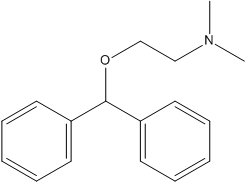
Dosage:
Threshold : 10 - 150 mg
Light : 150 - 300 mg
Common : 250 - 500 mg
Strong : 450 - 700 mg
Heavy : 650 - 1000 mg
Duration:
Onset : 60 - 120 mins
Duration : 6 - 8 hours
After effects : up to 12 hrs
DPH (Diphenhydramine) is a legal and freely available over the counter first-generation antihistamine possessing anticholinergic and sedative properties. It was one of the first known antihistamines, invented in 1943 by Dr. George Rieveschl and usually sold under the brand name of “benadryl”. This substance is available in many forms of generic or store brand medication which are mainly used to treat allergies or as a general sleep aid. When taken in “recreational” doses however, DPH becomes a notorious and extremely powerful deliriant.
Diphenhydramine is classed as an anticholinergic which is functionally similar to tropane alkaloids found within Datura stramonium and other plants in the nightshade family. This substance works via its antagonistic action on acetylcholine receptors. It’s this inhibition of acetylcholine which leads to delirium, sedation and intensely realistic hallucinations along side of some extremely uncomfortable and dysphoric physical side effects.
DPH and other deliriant hallucinogens are generally considered as both physically and psychologically unsafe by the online psychonautic community. This is further backed up by the consistent way in which almost everybody who tries this substance immediately regrets the experience.
Although we strongly discourage ever trying such a drug, the experience itself can be fascinating in itself and worthy of scientific documentation none the less.
In terms of it’s subjective effects, the DPH has a dosage scale unlike anything found within psychedelics or dissociatives. It is not like other drugs in sense of dosage, as a light dose does not equal a light trip. Doses under 300mg induce more of a restless feeling, body high, and muscle relaxation. Doses typically 600mg+ are what make the user enter delirium and begin to see fully formed hallucinations.
Anything in between these two extremes is often a disappointing and uncomfortable experience, characterized with twitching and only very minor hallucinations, mostly in the peripheral vision.
The DPH experience contains a complex and wide array of effects which based on the predefined potential subjective effects index found here, I will now begin to breakdown and describe…
Physical effects:
The physical effects of DPH are usually described as extremely uncomfortable. They can be broken down into nine components all of which progressively intensify proportional to dosage. These are described below and generally include:
- Increased bodily weight - The first noticeable sensation is that of having an extremely heavy body, as if the gravity has been multiplied by a thousand. This makes it extremely difficult and uncomfortable to move.
- Spontaneous tactile sensations - Users commonly report all-encompassing, sharp and extremely painful jolts of electricity that spontaneously manifest themselves in a similar rhythm to hiccups.
- Muscle cramps
- Nausea
- Dizziness
- Restless leg syndrome
- Abnormal heart beat
- Frequent urination
- Difficulty urinating - This can be described as a feeling of concrete blocking your urethra and painfully conflicts with a frequent need to urinate.
The physical effects of DPH and other deliriants are thought to occur when the concentration of acetylcholine in the vagus nerve decreases due to acetylcholine inhibition, leading to the commonly experienced physical dysphoria.
The levels of dysphoria experienced, however, vary between people with a very small percentage of users reporting that they do not seem to experience them at all.
Cognitive effects:
The head space of DPH is described by many as generally negative and dysphoric throughout the trip, generally consisting of extreme paranoia and feelings of impending doom. It is largely confusing and disorienting often leading to a complete inability to communicate or understand normal language. It contains unique cognitive effects found almost exclusively in the deliriant class.
The most prominent of these effects include:
- Depression
- Anxiety
- Thought deceleration
- Suppression of emotion
- Suppression of information processing
- Amnesia
- Suppression of language
- Time distortion
- Paranoia
Visual effects:
Suppression
DPH does not enhance visual stimuli in the way that psychedelics do, instead it tends to decrease visual aptitude both increasing hallucination and degrading vision.
- Decreased visual acuity
- Suppression of pattern recognition
- Blurred vision
Distortions
As for visual distortions and alterations, effects experienced are detailed below:
- Visual drifting (Melting, Breathing, Morphing and Flowing) - In comparison to other hallucinogens, this effect can be described as intricate in complexity, jittery, slow and rigid in motion, static in their permanence, realistic in believability, and interactive in plasticity.
- Visual haze
- After images
Hallucinatory states
DPH and other deliriants are unique in that they offer solid hallucinations which display themselves seamlessly into waking consciousness, similar to fully formed dreams or delusions. In contrast, classical psychedelics and dissociatives have progressive levels of multiple all encompassing sensory effects, before reaching the level of concrete hallucination.
These can literally encompass anything but common manifestations include,
- Black phosphenes
- Spiders and various insects
- Shadow people
- "Hatman"
- Animals and pets
- Human beings, usually behaving completely normally
- Phantom cigarettes, spliffs and bowls
- Phantom water and drinks
- Floating inanimate objects that appear out of nowhere, only to disappear after your hand goes directly through the object while trying to grab hold of it.
- Every day conversations with friends, family members and fictional people that aren’t really there.
The hallucinatory states in DPH and other deliriants are more delirious and uncontrollable than that of any other commonly used hallucinogen. These states alternate between waking external hallucination and internal hallucinatory states.
The effects of such hallucinatory states include two separate components:
- External hallucinations
- Internal hallucinations
Auditory effects:
The auditory effects of DPH are common in their occurrence and exhibit a range of effects which commonly includes:
- Suppression
- Hallucinations
Physical health effects, potential addiction and tolerance:
If taken on any kind of a regular basis, DPH can have some serious but unstudied adverse effects on ones kidneys and result in bladder issues similar to that of ketamine cystitis.
It is assumed non-addictive by most due to the nature of the experience but many people do find themselves coming back to it on a regular basis. This can often lead to addiction and extreme caution should be taken.
Diphenhydramine can become fatal if amounts close to or exceeding 2 grams are consumed and can result in death when combined with most stimulants and MAOI inhibitors. It is worth noting however that a dosage of 1 gram is considered extreme in its strength and could potentially result in a fatal overdose if a person happened to be particularly sensitive to this substance.
In terms of its tolerance, this forms very quickly with DPH trips, meaning that a trip can only occur at full effects every 2-4 weeks.
Available forms:
DPH is available in several different forms over the counter and online.
- Capsules - available over the counter and online. Well-known brands include Benadryl, Benylin, Nytol and Sominex. Many of these products contain other medicines, including dextromethorphan, guaifenesin, and ephedrine. Care should be taken when using these products to ensure that there is no overdose on other medicines in the DPH-containing product.
- Liquid - available over the counter and online. DPH in liquid form can be taken orally or injected. Well-known brands include Benadryl, Benylin, Nytol and Sominex. Many of these products contain other medicines, including dextromethorphan, guaifenesin, and ephedrine. Care should be taken when using these products to ensure that there is no overdose on other medicines in the DPH-containing product.
- Powder - available online. DPH in powdered form can be taken orally, via injection or insufflation.
Legal issues:
DPH is available either over the counter or by prescription in most countries. Some countries however require the purchaser to be over 16, 18 or 21.
- Zambia: Possession and sale is illegal.
Reader submitted trip reports:
Conclusion:
The subjective effects breakdown contained within this article was written by the PsychonautWiki admin known as Cocoanatta.
Nobody is going to stop you from trying this but if you’re completely set on it, at least wait until you have had a large amount of experience being out of your mind on psychedelic and dissociative substances first.
The fact that this substance is completely legal and available to the masses, despite being far more dangerous than comparatively benign psychedelics such as LSD shows that our governments are not concerned with the dangers of drug induced hallucination in itself. They are instead concerned with the secondary effects, namely the drug induced changes of perspective which psychedelics offer but deliriants do not.
Click here for a more comprehensive breakdown.
LSA, broken down and described
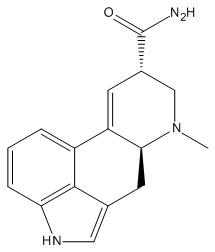
Onset : 30- 180 min
Duration : 4 - 10 hours
Normal After Effects : 2 - 24 hours
Dosage : Differs between Differs between Morning glory seeds & Hawaiian Baby Woodrose seeds.
LSA (also known as Ergine, d-lysergic acid amide, and d-lysergamide) is an alkaloid of the ergoline family that occurs in various species of vines, the morning glory flower and some species of fungi. It is the dominant alkaloid found in the seeds of several varieties of morning glories in concentrations of approximately 10 µg per seed, as well as Hawaiian baby woodrose seeds at a concentration of around 0.13% of dry weight. It has structural similarities to LSD, putting it in the lysergamide family of psychedelics.
A traditional use of morning glory seeds by Mexican Native Americans was first described by Richard Schultes in 1941 in a short report documenting their use going back to Aztec times. Further research was published in 1960, when Don Thomes MacDougall reported that the seeds of morning glory flowers were used as sacraments by certain Zapotecs (sometimes in conjunction with the seeds of Rivea corymbosa, another species of morning glory which has a similar chemical composition, containing lysergol instead of LSA).
LSA was assayed for human activity by Albert Hofmann in self-trials in 1947 (well before it was known to be a natural compound). Intramuscular administration of a 500 microgram dose led to a tired, dreamy state with an inability to maintain clear thoughts. After a short period of sleep, the effects were gone and normal baseline was recovered within five hours. This suggests that the theory of LSA being the main psychedelic compound within morning glory seeds and Hawaiian baby woodrose is debatable as anecdotal reports suggest that the effects of synthetic LSA and iso-LSA are only slightly psychedelic in their effects and may well be triggered by a mixture of various lysergamides instead of one specific compound.
The LSA experience contains a complex and wide array of effects which based on the predefined potential subjective effects index found here, I will now begin to breakdown and describe.
Physical Effects:
The physical effects of LSA can be broken down into five components all of which progressively intensify proportional to dosage. These are described below and generally include:
- Spontaneous tactile sensations - the body high of LSA can be described as a mild yet pleasurable, soft tingling sensation. This is largely noticed in high doses and is accompanied by strong waves of physical euphoria which are usually manifested spontaneously at different unpredictable points throughout the trip but can also maintain a consistent presence. In either case, they steadily rise with the onset and hit their limit once the peak has been reached.
- Sedation - in terms of its effects on the physical energy levels of the tripper, LSA tends to be sedating, however, it can be setting dependent. For example, when taken in settings with large amounts of stimulus or during physically strenuous activities such as walking, running, climbing or dancing it is fully capable of becoming stimulating and energetic. In contrast, however, when taken in calm environments such as darkened rooms with comfortable seating it is consistently relaxing, peaceful and quite sedating.
- Vasoconstriction
Cognitive Effects:
The head space of LSA is described by many as extremely relaxing yet lucid and clear headed in its style when compared to other commonly used psychedelics such as LSD or Psilocin. Although it is primarily sedating, it is accompanied by fast paced bursts of thought.
LSA contains a large number of psychedelic cognitive effects. The most prominent of these typical effects include:
- Connectivity of thought
- Introspection
- Acceleration of thought
- Enhancement of current mind state
- Feelings of fascination, importance and awe
- Conceptual thinking
- Ego suppression, loss and death
- Time distortion
- Direct communication with the subconscious
- Deja-Vu
Visual Effects:
The visual effects of LSA are mostly present when large doses have been consumed.
Enhancements
LSA presents a full and complete array of possible visual enhancements which generally include:
- Increased visual acuity
- Enhancement of colours
- Enhanced pattern recognition
Distortions
As for visual distortions and alterations, these are significantly more simplistic from that of open eye distortions found with other psychedelics. Effects experienced are detailed below:
- Visual drifting (melting, flowing, breathing and morphing) - In comparison to other psychedelics, this effect can be described as mild but highly detailed yet cartoon-like in appearance. They are fast yet smooth in motion and fleeting in their permanence. This is an inconsistently manifested effect with some never reporting such distortions.
- Colour shifting
Geometry
The visual geometry that is present throughout this trip can be described as more similar in appearance to that of 4-AcO-DMT, ayahuasca and 2C-E than LSD or 2C-B. They can be comprehensively described as structured in their organization, organic in geometric style, intricate in complexity, zoomed out and small in size, fast and smooth in motion, colourful in scheme, glossy in colour, blurred in their edges and rounded in their corners. They have a much more “natural” feel to them than LSD and at higher dosages are significantly more likely to result in states of Level 7B visual geometry over Level 7A.
Hallucinatory States
LSA produces a full range of high level hallucinatory states in a fashion that is very consistent when taken in large doses. The effects of such states include:
- External hallucinations - these are extremely common within LSA and partially follow the content of the user’s current thought process.
- Internal hallucinations - unlike LSD, LSA consistently produces moderate to high level hallucinatory states in high doses. This particular effect can be compared to a lucid dream state and commonly contains hallucinations with plots, settings, autonomous entity contact and scenarios. They are more common within dark environments and can be described as internal in their manifestation, lucid in believability, interactive in style and almost exclusively religious, spiritual, mystical or transcendental nature in their overall theme. These hallucinations are complemented by a powerful enhancement of the ability to visualize concepts. This ability eventually becomes so drawn out proportional to dosage that it leads to full blown hallucinatory states that are entirely lucid and for the most part controllable.
Auditory Effects:
The auditory effects of LSA are common in their occurrence and exhibit a full range of effects which commonly include:
- Enhancements
- Distortions
- Hallucinations
Natural Sources:
Morning Glory Seeds
The seeds of many species of morning glory contain lysergamide alkaloids (including the psychedelic known as LSA). The seeds are found in many gardening stores, however, it’s worth noting that the seeds from commercial sources are often coated in some form of pesticide or methylmercury which can result in extreme nausea if ingested. Seeds without these pesticides can be purchased cheaply online and are freely available through search engines such as Google.
When using morning glory seeds, the dosage for oral consumption is generally considered to be:
- Light : 50 - 100 seeds / 1.5 - 3 g
- Common : 100 - 250 seeds / 3 - 6 g
- Strong : 250 - 400 seeds / 6 - 10 g
- Heavy : 400 + seeds / 10 + g
Hawaiian Baby Woodrose Seeds
Hawaiian Baby Woodrose is a perennial climbing vine that is native to the Indian subcontinent and was introduced to numerous areas worldwide including Hawaii, Africa and the Caribbean. Hawaiian Baby Woodrose seeds may be consumed for their various lysergamide alkaloids such as LSA. These seeds are found in many gardening stores, however, the seeds from commercial sources are often coated in some form of pesticide or methylmercury which can result in extreme nausea if ingested. Seeds without these pesticides can be purchased cheaply online and are freely available through search engines such as Google.
When using morning glory seeds, the dosage for oral consumption is generally considered to be:
- Threshold : 1 - 4 seeds
- Light : 3 - 6 seeds
- Common : 5 - 8 seeds
- Strong : 7 - 12 seeds
- Heavy : 12 + seeds
Physical Health Effects, Potential Addiction and Tolerance:
The toxic dosage of LSA is unknown as there has never been a single reported overdose. This suggests that LSA is perfectly safe to simply try on the odd occasion.
However, LSA should not be used on a frequent basis. When used repeatedly over a short period of time, the vasoconstriction effects build up while the psychoactive effects get weaker. If you’re feeling sore legs, this is a sign of the vasoconstriction effects building up in your body. The legs feel sore because not enough blood is getting to the muscles. Your upper leg muscles are the largest, most energy eating muscles in your body, and they will feel sore if blood flow to them is lowered even a little bit. If you’ve taken HBWR seeds, morning glory seeds, or pure LSA and are experiencing sore legs you need to hold off for a while. Let your body get back to baseline before using them again. This is more important with LSA (HBWR, morning glories, etc.). With LSA, it can take up to 3 days of abstinence to get back to baseline.
It’s important to note that LSA is non-habit-forming and that the desire to use it can actually decrease with use. It is most often self-regulating. You also build an almost immediate tolerance to LSA after ingestion, preventing you from experiencing its full effects more often than every 4-7 days (unless you increase your dose significantly).
Legal Issues:
- The consumption of LSA containing materials is prohibited under state legislation in most Australian states.
- LSA is not listed in Canada’s Controlled Drugs and Substances act and is therefore not illegal to possess. It is probably illegal to sell for human consumption as a drug, though the plants that contain it are not controlled in Canada.
- LSA is not legally classified as a drug, so consumption or possession of LSA or LSA containing-materials is not prohibited.
- LSA is controlled in the Netherlands. This makes it illegal to possess, distribute, and produce without a license.
- Chemical LSA is controlled as a drug in New Zealand. The plants and seeds of morning glory species are legal to possess, cultivate, buy, and distribute. Seeds are reportedly sprayed and warnings are included on the packets to not consume the seeds.
- The status of LSA as chemical is unknown, but LSA-containing plants appear to be uncontrolled in Poland.
- Sweden is planning to control a number of chemicals as of May 1, 2007 including LSA, 2C-T-4, DXM, and DOI.
- LSA is a Class A substance within the United Kingdom and categorized as a precursor to LSD (Misuse of Drugs Act 1971).
Preparation Methods:
LSA containing seeds can be prepared in a number of different ways. Click the links below for detailed step by step techniques.
- Extraction of LSA tincture - This extraction uses household chemicals such as naptha and ethanol to extract the LSA into a pure and nausea free liquid form. It is perfectly safe if performed correctly and can take between a few hours to several days depending on the desired potency.
- Nausea free LSA extraction with garlic - This extraction uses cold tap water and a refrigerator to extract the LSA from the seeds and into a glass of water. It uses garlic to minimize the nausea and takes at least 4 hours in total.
- LSA Adducts - This preparation method is not an extraction and merely theoretical but based around well-reasoned chemistry and consistently themed anecdotal reports. It uses common household herbs such as peppermint and cinnamon bark essential oil to convert LSA into other substances with radically altered subjective effects including LSH and CDLSA.
Reader Submitted Trip Report:
In Conclusion:
The entirety of the LSA subjective effects breakdown for this particular article was not written by myself but the PsychonautWiki admin known as Cocoanatta. I have tried LSA myself on numerous occasions and can confirm that this article is indeed accurate.
As for the substance itself, although LSA is well known across the psychedelic community, this substance has a pretty bad reputation for causing painful states of nausea, vomiting and vasoconstriction despite the fact that this can be greatly reduced depending on the method of preparation. Alongside of this, LSA is also perceived as a substance which only causes very mild visual and cognitive effects in comparison to other more “classical” psychedelics.
This assumption however is simply untrue. LSA goes just as deep as LSD, mushrooms, ayahuasca or any other psychedelic and you simply need to find the right dosage and extract it correctly. This makes LSA an excellent choice for any psychonaut, especially when considering how cost effective and widely available the natural plant sources are.
Click here for a more comprehensive breakdown.