
"Transcending this mortal plane through the power of hallucinogen induced nerd rage; Tripping balls in the name of science for the good of the cosmos."
MY SOURCES ARE:
Personal experience and the internet alongside of my own speculation, analyses and conclusions. For all you know I could be lying, so please do some independent research and do not say that I didn't warn you.
PLEASE DISREGARD:
Absolutely everything I say; all pieces of writing and information found within this blog should be considered lies and a work of fiction. Do not ever use anything I've ever said here for anything, ever.
I have, after all, made it very clear that my writings are to be disregarded, as in reality I may well have no idea what I am talking about and do not have any formal qualifications on the subject.
Please point out as many flaws in my reasoning, claims, factual information and grammar as possible.
I love all of you. Thank you for reading.



DPH, broken down and described
Dosage:
Threshold : 10 - 150 mg
Light : 150 - 300 mg
Common : 250 - 500 mg
Strong : 450 - 700 mg
Heavy : 650 - 1000 mg
Duration:
Onset : 60 - 120 mins
Duration : 6 - 8 hours
After effects : up to 12 hrs
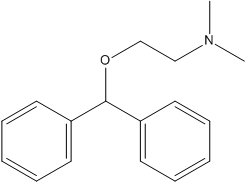
DPH (Diphenhydramine) is a legal and freely available over the counter first-generation antihistamine possessing anticholinergic and sedative properties. It was one of the first known antihistamines, invented in 1943 by Dr. George Rieveschl and usually sold under the brand name of “benadryl”. This substance is available in many forms of generic or store brand medication which are mainly used to treat allergies or as a general sleep aid. When taken in “recreational” doses however, DPH becomes a notorious and extremely powerful deliriant.
Diphenhydramine is classed as an anticholinergic which is functionally similar to tropane alkaloids found within Datura stramonium and other plants in the nightshade family. This substance works via its antagonistic action on acetylcholine receptors. It’s this inhibition of acetylcholine which leads to delirium, sedation and intensely realistic hallucinations along side of some extremely uncomfortable and dysphoric physical side effects.
DPH and other deliriant hallucinogens are generally considered as both physically and psychologically unsafe by the online psychonautic community. This is further backed up by the consistent way in which almost everybody who tries this substance immediately regrets the experience.
Although we strongly discourage ever trying such a drug, the experience itself can be fascinating in itself and worthy of scientific documentation none the less.
In terms of it’s subjective effects, the DPH has a dosage scale unlike anything found within psychedelics or dissociatives. It is not like other drugs in sense of dosage, as a light dose does not equal a light trip. Doses under 300mg induce more of a restless feeling, body high, and muscle relaxation. Doses typically 600mg+ are what make the user enter delirium and begin to see fully formed hallucinations.
Anything in between these two extremes is often a disappointing and uncomfortable experience, characterized with twitching and only very minor hallucinations, mostly in the peripheral vision.
The DPH experience contains a complex and wide array of effects which based on the predefined potential subjective effects index found here, I will now begin to breakdown and describe…
Physical effects:
The physical effects of DPH are usually described as extremely uncomfortable. They can be broken down into nine components all of which progressively intensify proportional to dosage. These are described below and generally include:
- Increased bodily weight - The first noticeable sensation is that of having an extremely heavy body, as if the gravity has been multiplied by a thousand. This makes it extremely difficult and uncomfortable to move.
- Spontaneous tactile sensations - Users commonly report all-encompassing, sharp and extremely painful jolts of electricity that spontaneously manifest themselves in a similar rhythm to hiccups.
- Muscle cramps
- Nausea
- Dizziness
- Restless leg syndrome
- Abnormal heart beat
- Frequent urination
- Difficulty urinating - This can be described as a feeling of concrete blocking your urethra and painfully conflicts with a frequent need to urinate.
The physical effects of DPH and other deliriants are thought to occur when the concentration of acetylcholine in the vagus nerve decreases due to acetylcholine inhibition, leading to the commonly experienced physical dysphoria.
The levels of dysphoria experienced, however, vary between people with a very small percentage of users reporting that they do not seem to experience them at all.
Cognitive effects:
The head space of DPH is described by many as generally negative and dysphoric throughout the trip, generally consisting of extreme paranoia and feelings of impending doom. It is largely confusing and disorienting often leading to a complete inability to communicate or understand normal language. It contains unique cognitive effects found almost exclusively in the deliriant class.
The most prominent of these effects include:
- Depression
- Anxiety
- Thought deceleration
- Suppression of emotion
- Suppression of information processing
- Amnesia
- Suppression of language
- Time distortion
- Paranoia
Visual effects:
Suppression
DPH does not enhance visual stimuli in the way that psychedelics do, instead it tends to decrease visual aptitude both increasing hallucination and degrading vision.
- Decreased visual acuity
- Suppression of pattern recognition
- Blurred vision
Distortions
As for visual distortions and alterations, effects experienced are detailed below:
- Visual drifting (Melting, Breathing, Morphing and Flowing) - In comparison to other hallucinogens, this effect can be described as intricate in complexity, jittery, slow and rigid in motion, static in their permanence, realistic in believability, and interactive in plasticity.
- Visual haze
- After images
Hallucinatory states
DPH and other deliriants are unique in that they offer solid hallucinations which display themselves seamlessly into waking consciousness, similar to fully formed dreams or delusions. In contrast, classical psychedelics and dissociatives have progressive levels of multiple all encompassing sensory effects, before reaching the level of concrete hallucination.
These can literally encompass anything but common manifestations include,
- Black phosphenes
- Spiders and various insects
- Shadow people
- “Hatman”
- Animals and pets
- Human beings, usually behaving completely normally
- Phantom cigarettes, spliffs and bowls
- Phantom water and drinks
- Floating inanimate objects that appear out of nowhere, only to disappear after your hand goes directly through the object while trying to grab hold of it.
- Every day conversations with friends, family members and fictional people that aren’t really there.
The hallucinatory states in DPH and other deliriants are more delirious and uncontrollable than that of any other commonly used hallucinogen. These states alternate between waking external hallucination and internal hallucinatory states.
The effects of such hallucinatory states include two separate components:
- External hallucinations
- Internal hallucinations
Auditory effects:
The auditory effects of DPH are common in their occurrence and exhibit a range of effects which commonly includes:
- Suppression
- Hallucinations
Physical health effects, potential addiction and tolerance:
If taken on any kind of a regular basis, DPH can have some serious but unstudied adverse effects on ones kidneys and result in bladder issues similar to that of ketamine cystitis.
It is assumed non-addictive by most due to the nature of the experience but many people do find themselves coming back to it on a regular basis. This can often lead to addiction and extreme caution should be taken.
Diphenhydramine can become fatal if amounts close to or exceeding 2 grams are consumed and can result in death when combined with most stimulants and MAOI inhibitors. It is worth noting however that a dosage of 1 gram is considered extreme in its strength and could potentially result in a fatal overdose if a person happened to be particularly sensitive to this substance.
In terms of its tolerance, this forms very quickly with DPH trips, meaning that a trip can only occur at full effects every 2-4 weeks.
Available forms:
DPH is available in several different forms over the counter and online.
- Capsules - available over the counter and online. Well-known brands include Benadryl, Benylin, Nytol and Sominex. Many of these products contain other medicines, including dextromethorphan, guaifenesin, and ephedrine. Care should be taken when using these products to ensure that there is no overdose on other medicines in the DPH-containing product.
- Liquid - available over the counter and online. DPH in liquid form can be taken orally or injected. Well-known brands include Benadryl, Benylin, Nytol and Sominex. Many of these products contain other medicines, including dextromethorphan, guaifenesin, and ephedrine. Care should be taken when using these products to ensure that there is no overdose on other medicines in the DPH-containing product.
- Powder - available online. DPH in powdered form can be taken orally, via injection or insufflation.
Legal issues:
DPH is available either over the counter or by prescription in most countries. Some countries however require the purchaser to be over 16, 18 or 21.
- Zambia: Possession and sale is illegal.
Reader submitted trip reports:
Conclusion:
The subjective effects breakdown contained within this article was written by the PsychonautWiki admin known as Cocoanatta.
Nobody is going to stop you from trying this but if you’re completely set on it, at least wait until you have had a large amount of experience being out of your mind on psychedelic and dissociative substances first.
The fact that this substance is completely legal and available to the masses, despite being far more dangerous than comparatively benign psychedelics such as LSD shows that our governments are not concerned with the dangers of drug induced hallucination in itself. They are instead concerned with the secondary effects, namely the drug induced changes of perspective which psychedelics offer but deliriants do not.
Click here for a more comprehensive breakdown.